


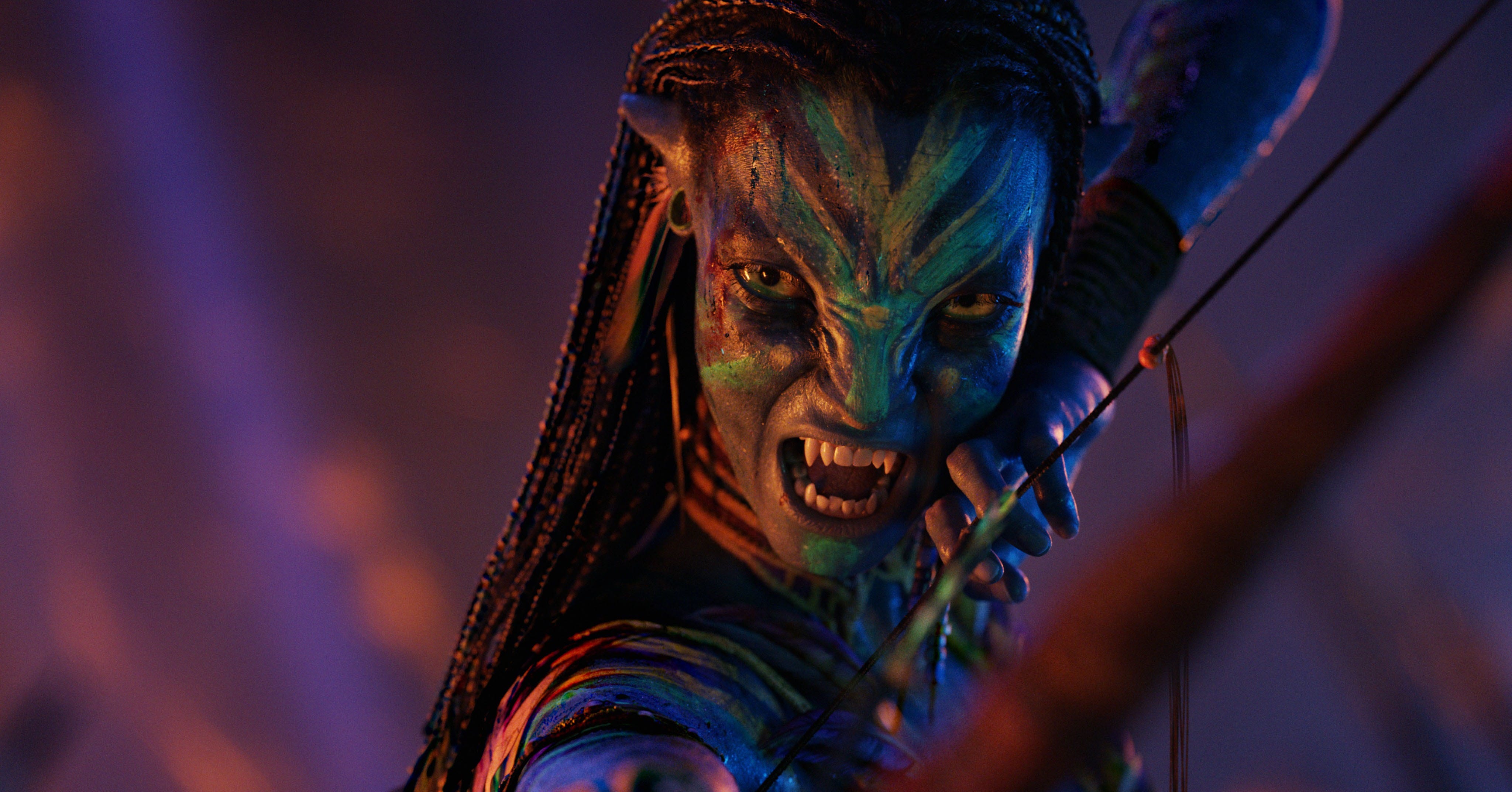
Heading into “Avatar: Fire and Ash,” the expectations could not be higher.
“Avatar” reinvented blockbuster cinema in 2009. “The Way of Water” arrived 13 years later and somehow did it again, expanding Cameron’s world in ways that felt genuinely revolutionary – not just visually, but emotionally and thematically.
So when Cameron turned around a third installment, the question wasn’t “Will it be good?” but rather “How will he change the game this time?” And the answer, surprisingly, is… he doesn’t. At least not in the seismic way we’ve now been conditioned to expect.
“Fire and Ash” is still a great blockbuster. It’s thrilling, emotional, and visually jaw-dropping. But unlike the leap from forest to reef, this entry feels less like a bold new chapter and more like a remix of elements we’ve already seen.
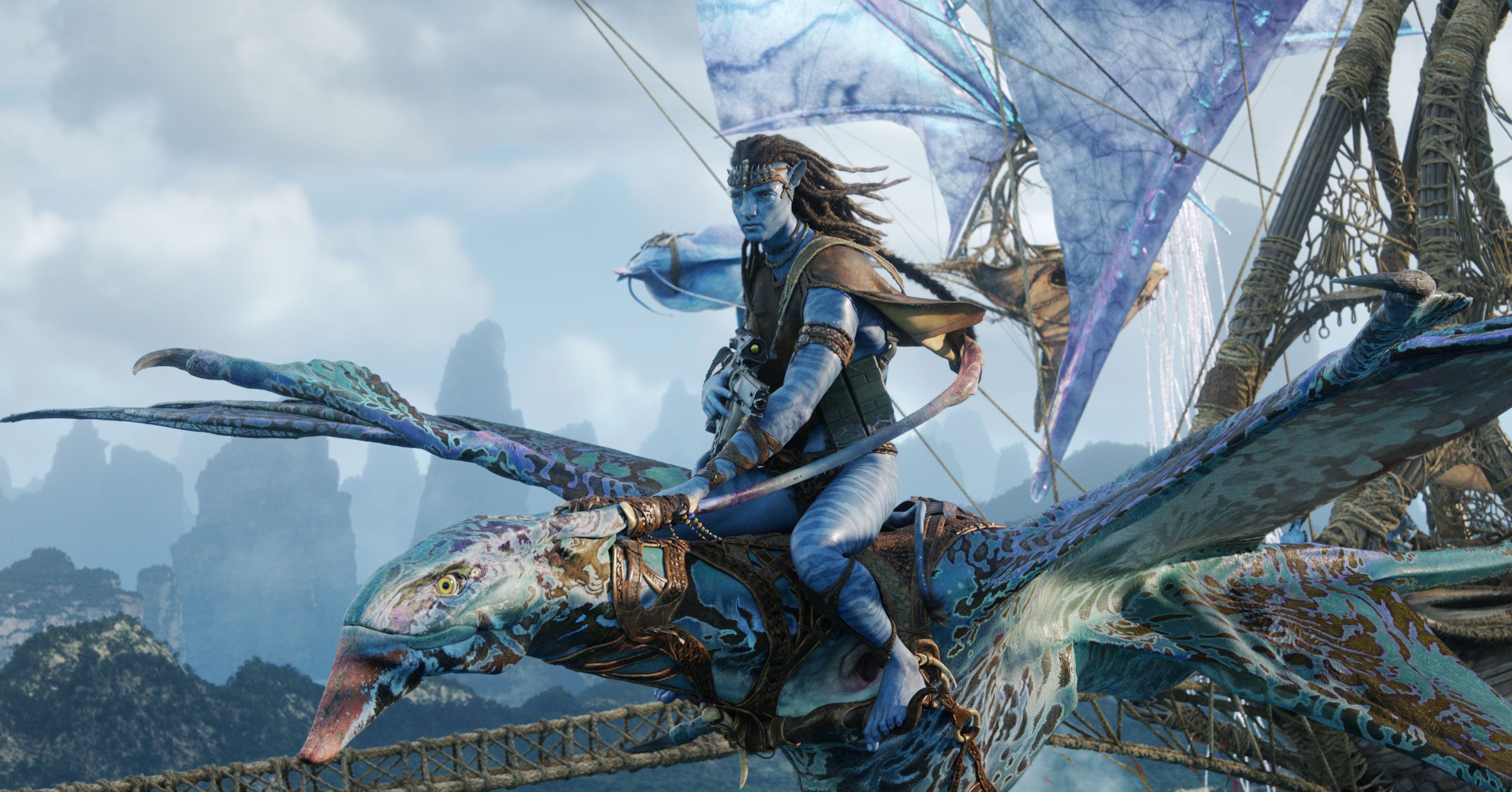
Where “The Way of Water” leapt forward in time, “Fire and Ash” picks up in the immediate aftermath, with the Sully family still shattered by Neteyam’s death.
Jake (Sam Worthington) and Neytiri (Zoe Saldaña) are coping in totally opposite, painfully human ways. Jake throws himself into action to numb the loss, while Neytiri buries herself in faith and festering resentment. Lo’ak (Britain Dalton), meanwhile, is quietly carrying the heaviest weight of all: the belief that he’s to blame for his brother’s death.
But on Pandora, grief doesn’t stay quiet for long. Colonel Miles Quaritch (Stephen Lang), still fueled by his own brand of resurrected rage, is back on the hunt. And this time he’s not alone. The RDA has aligned with a brutal new Na’vi clan, the Ash People, a fire-scarred tribe led by the witch-like Varang (Oona Chaplin).
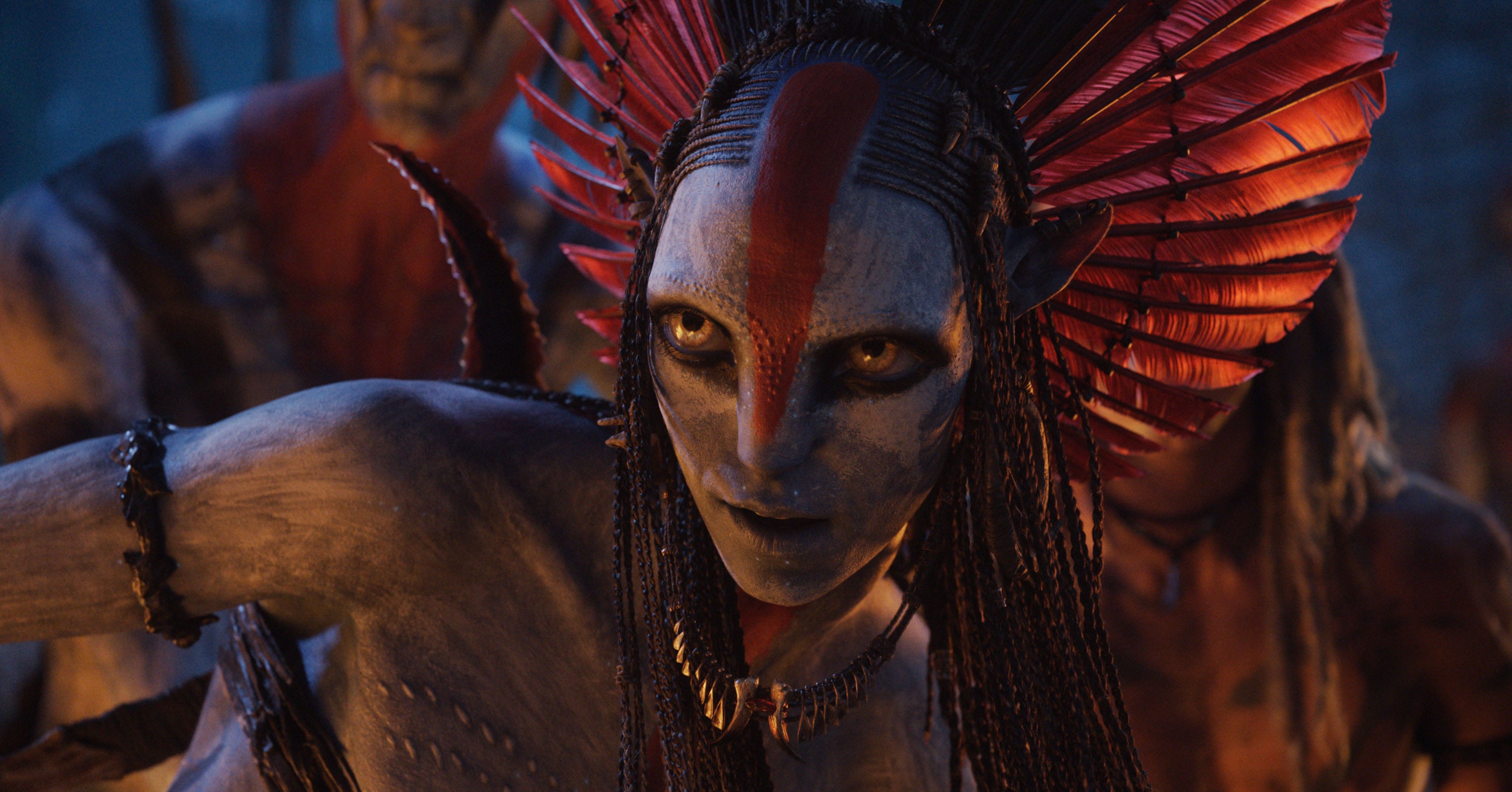
The introduction of the Ash People – and the marketing and title of the film – present what seems to be the next step forward for Cameron’s ever-expanding world. The “Avatar” franchise gets praised for its groundbreaking visuals, but behind the breathtaking images are incredibly rich characters, worlds and lore. The world building is unmatched, and also when the series is at its best.
The Ash People, led by Oona Chaplin’s chilling and magnetic Varang, initially promises a fascinating new corner of Na’vi culture. Their volcanic landscapes and fire-forged rituals bring a genuinely fresh energy. But once they are introduced and briefly explored, they end up mostly relegated to being a weapon for Quaritch’s use.
Where “The Way of Water” completely redefined the series through its shift to oceanic culture and environment, “Fire and Ash” blends the franchise’s greatest hits: forest tribes, reef tribes, aerial combat, sea battles. Major story arcs are recycled, with children once again being kidnapped and Tulkun still being hunted. The third act – while still thrilling – feels like a “Can I copy your homework? Yeah, just change it so it’s not obvious,” rip off of “The Way of Water.”
An early air raid is the superior set piece in the film, largely due to the fact that, you guessed it, it features new elements we’ve never seen on Pandora before.

Again, the set pieces and visuals get people in the door, but the real magic happens when Cameron slows down.
Quiet, intimate moments like Jake and Neytiri’s marital strain, Lo’ak challenging his father’s authority and grappling with guilt, or Kiri (Sigourney Weaver) wrestling with the fear of her own power, land with real emotional weight. These scenes prove the franchise’s biggest secret: beneath all the performance-capture magic and VFX, the “Avatar” series is, at its core, about family.
Introduced in “The Way of Water,” Jack Champion’s Spider plays an increased role in the third film. Champion is given the most compelling storylines as the lone human ingrained with the Sully’s Na’vi family. Whether he’s trying to manage Neytiri’s hatred towards him, having an identity crisis opposite his villainous father, or confronting Eywa with Kiri, Spider is at the center of “Fire and Ash.”
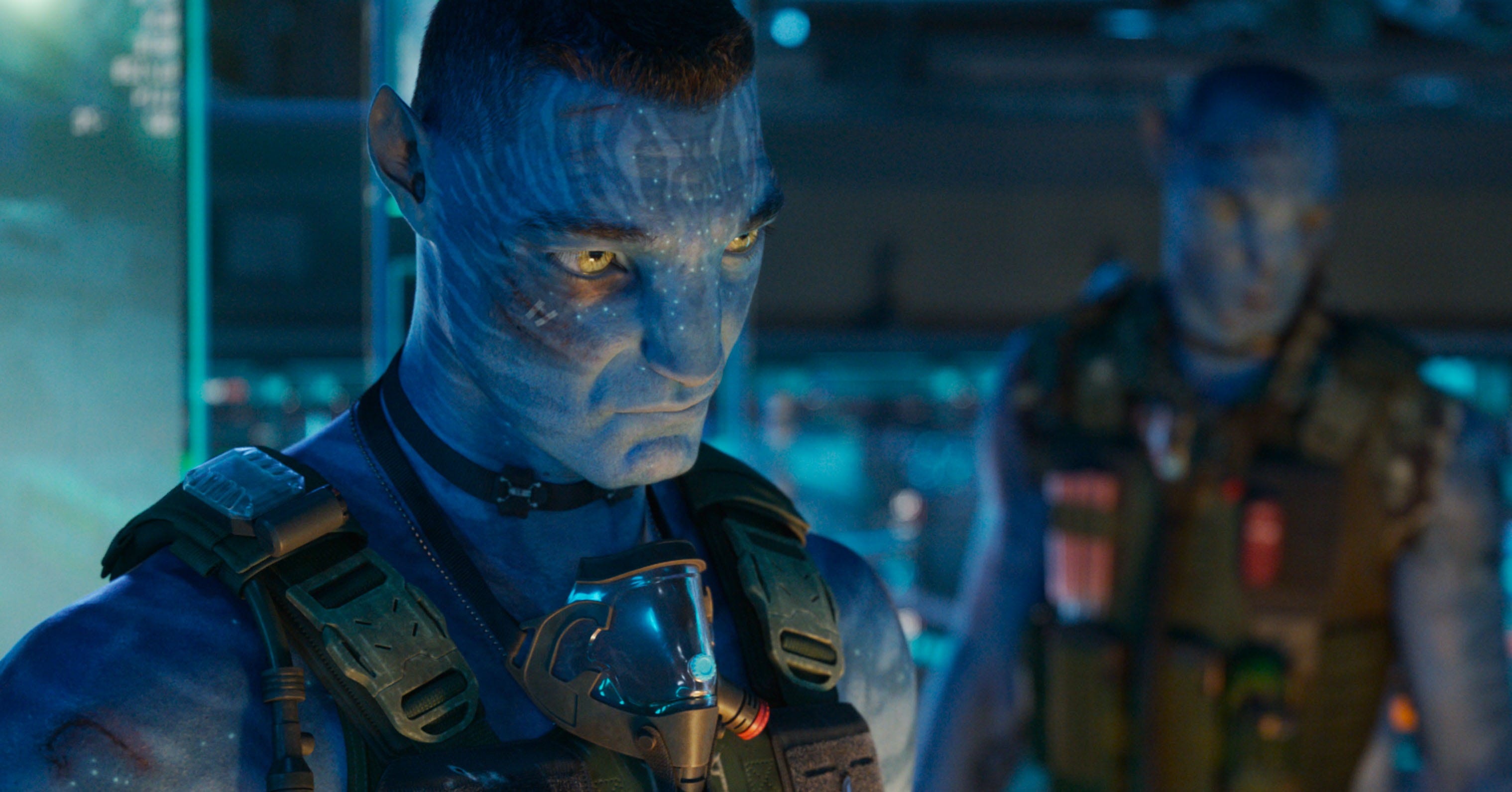
Stephen Lang remains the franchise’s secret weapon. His resurrected Miles Quaritch is both intense and unexpectedly funny, and “Fire and Ash” pushes him further toward a morally gray, “can he be saved?” arc. The problem is it never fully commits.
The movie repeatedly gestures toward deeper introspection across the board – with Quaritch, Kiri, Spider and more – before pivoting to the next crisis, leaving the most interesting parts of the movie feeling incomplete.
At the midpoint of a five-film generational saga, you’d expect a major shift to tee up the latter half of the overarching story. Instead, it’s hard not to look at where most of the characters stand at the end of the film and wonder how truly different they are than their status 3 hours earlier.
It’s fun. It’s satisfying. It’s just not transformative.
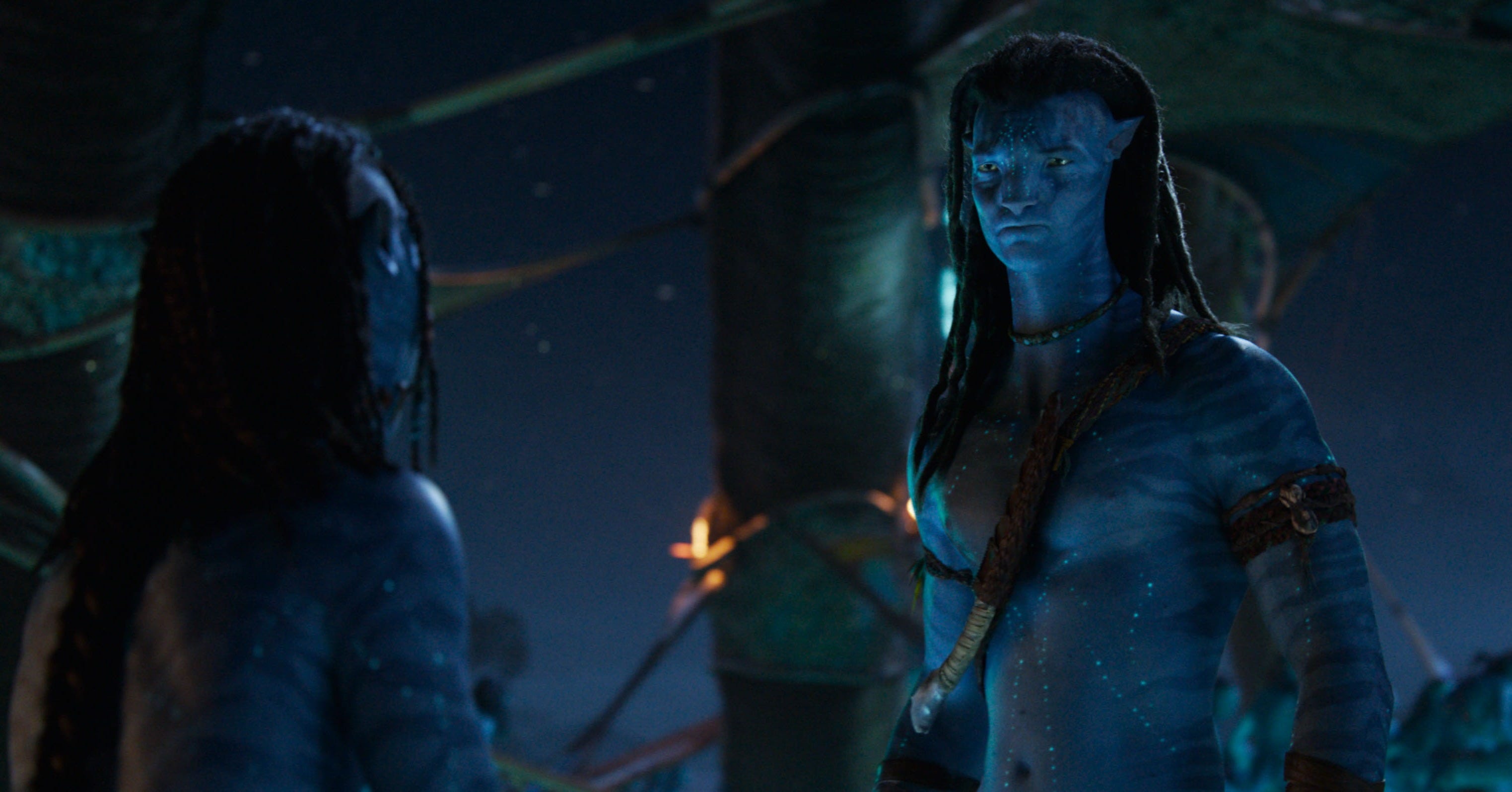
“Avatar: Fire and Ash” is absolutely not a misfire. It’s not even close.
It’s emotional, exciting, visually immaculate, and full of characters we genuinely love spending time with. Pandora remains a place worth revisiting again and again.
But after two paradigm-shifting entries, it’s hard not to feel the weight of unmet expectations. Cameron has trained us to expect revolution, and here he delivers refinement. Spectacular refinement, yes, but refinement all the same.
Star Rating: 3.5 out of 5
“Avatar: Fire and Ash” releases in theaters December 18, 2025.